


Grew up in poverty but not defined by it
Sameer Kochhar has always strived and worked towards an Inclusive India in the following ways
Inclusive Growth
Financial, social and digital inclusion; poverty reduction; livelihoods; equitable economic development.
Economic Reforms
Documentation and interpretation of India's reform journey from 1991 onward.
Governance
State capacity, public-service delivery, e-governance, federalism and outcome-based governance.
Financial Inclusion
Banking access, financial literacy, financial deepening, Jan Dhan and the relationship between inclusion and poverty alleviation.
Digital Transformation
Digital public infrastructure, e-governance, technology-enabled delivery and digital inclusion.
India 2047
Growth, productivity, regulatory architecture, infrastructure, fiscal capacity and the pathway towards a high-income economy.
Road to the magnum opus
30+ years of work culminates into these books
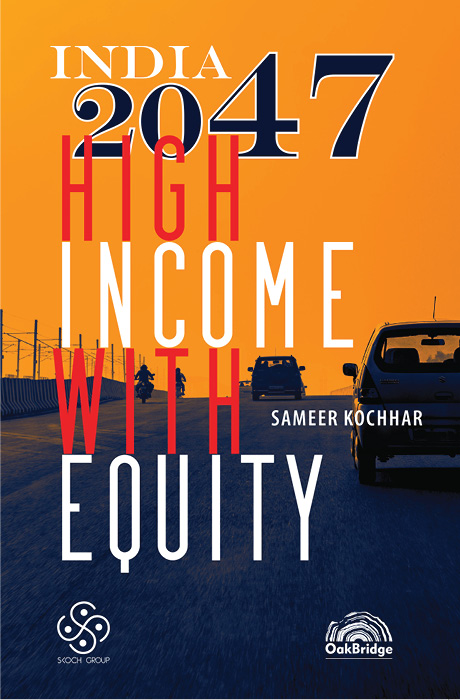
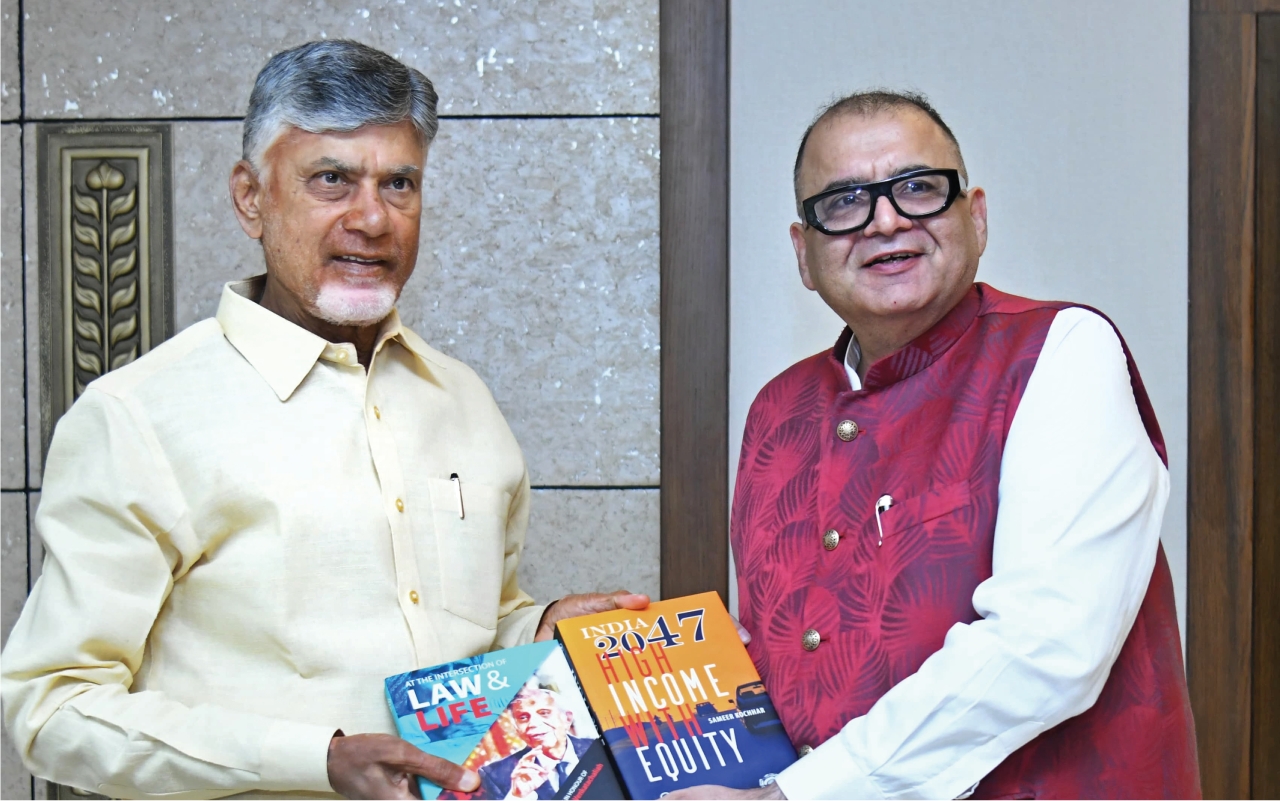
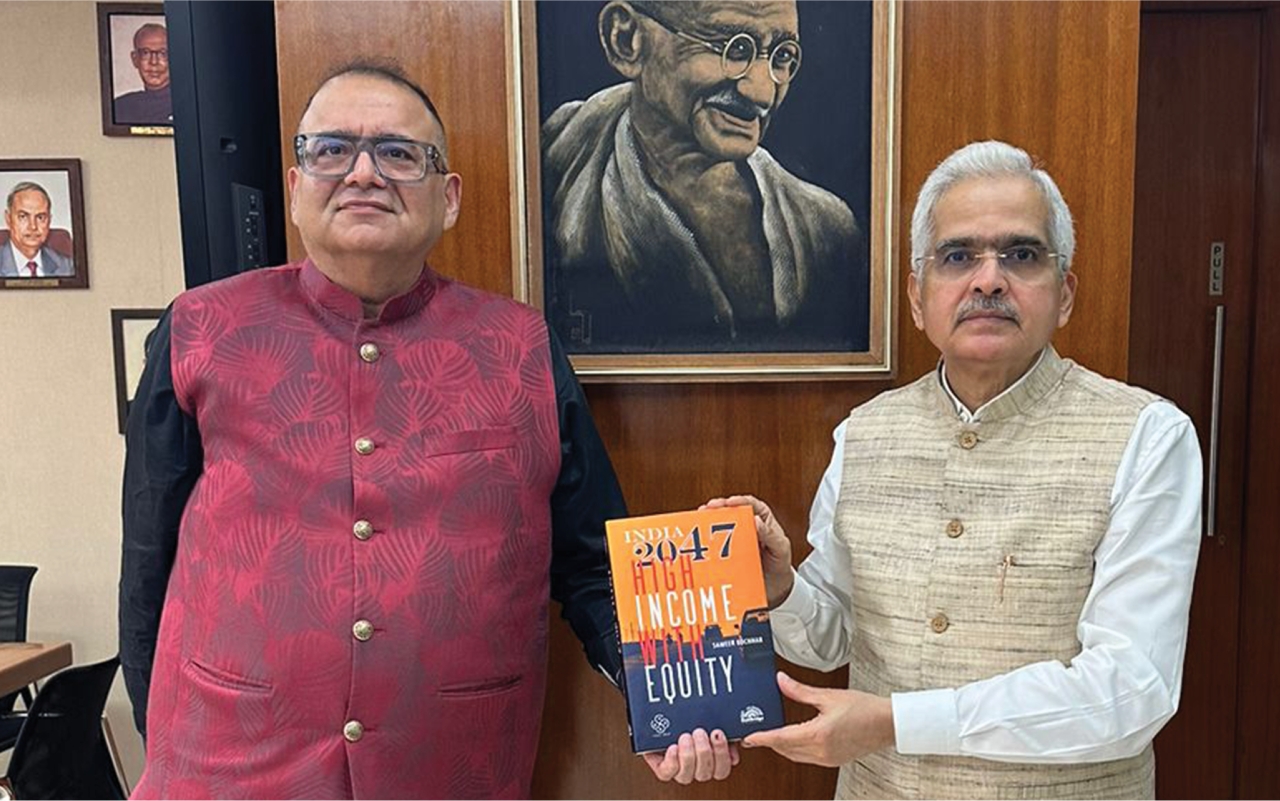
India 2047: High Income with Equity
Pre-COVID, India had set a target to become a $10 trillion economy by 2030 the action plan for which was outlined in my earlier volume, “India 2030”, released in December 2018. This emphasised the need for quality growth that is job-generative, spatially dispersed, and equitable.
“India 2047” deals with macroeconomic essentials and emphasises the need for structural transformation, organising the labour markets, increasing competitiveness, enhancing financial and social inclusion with equitable growth, the role of federalism in inclusive growth, imperatives for job-generation, and the importance of infrastructure development and financing.
Despite the COVID-19 pandemic, India has remained afloat, and Prime Minister Narendra Modi has put India in top-gear, setting an ambitious target for the country to become a developed nation by 2047. The next 25 years are going to be critical, and he calls it Amrit Kal, during which India will be focusing on reducing import dependence, reducing compliance costs for small businesses, harnessing digital infrastructure and modern technologies, promoting domestic manufacturing, and taking global leadership—the G20 being one example. This volume aims to review progress and make recommendations to bridge gaps in line with the new target date and objectives. It also discusses the macroeconomic essentials required to make India a high-income country with equity.
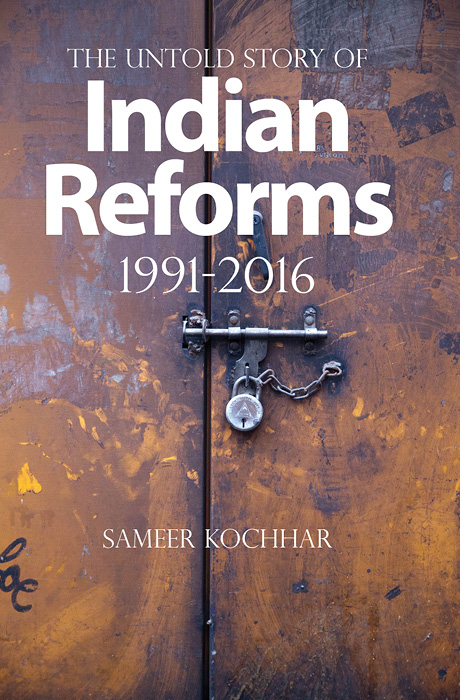
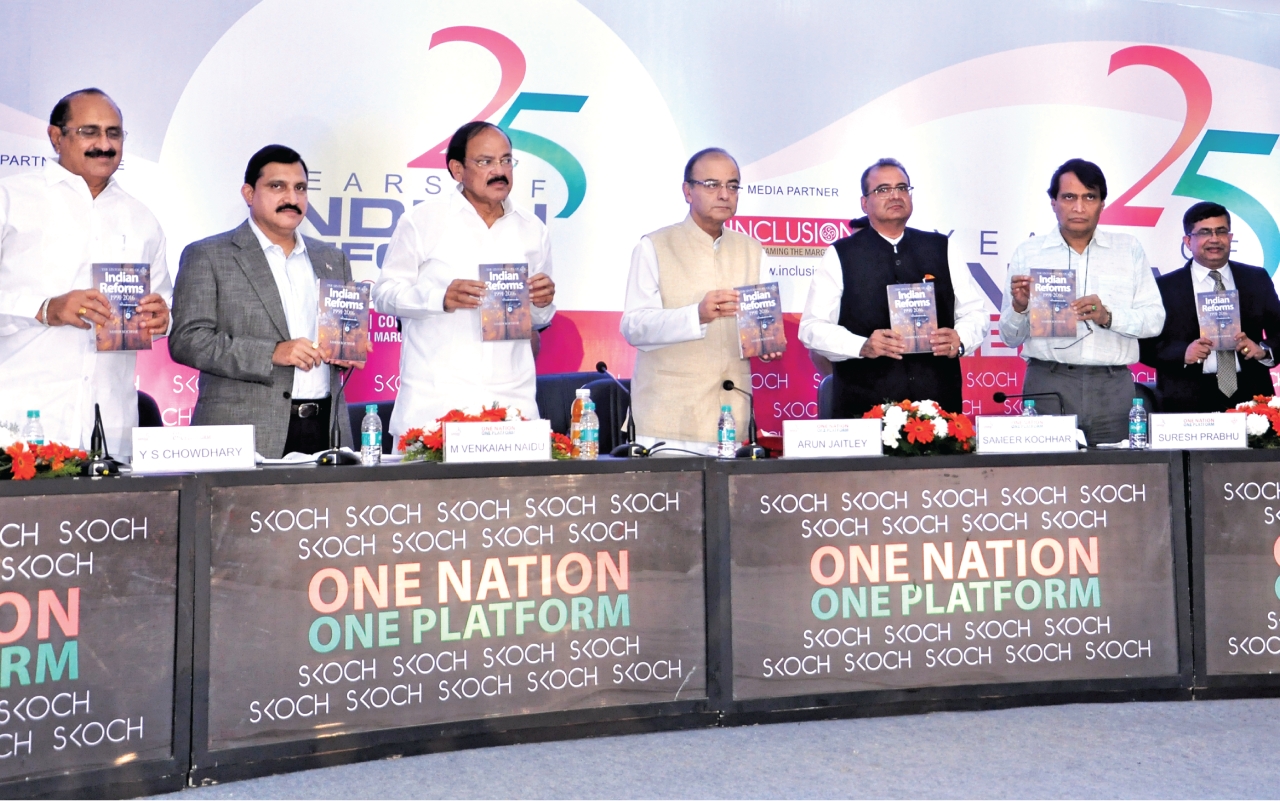
The Untold Story of Indian Reforms: 1991 - 2016
“No power on earth can stop an idea whose time has come.” India began the quest for a free and open economy in 1991 while remembering the powerful quote of Victor Hugo, a series of brave measures of liberalisation and promise of reforms with human face. It was the historic moment India ended forty-four years of closed, government-planned economic experimentation with a humbling recognition that none of the old socialist shibboleths mattered to truly modernise the economy to shed the inferiority complex.
India has changed in ways unimaginable in the last 25-years and the momentum favoured economic liberalisation. For those who have lived long enough under the oppressive licence-permit-quota-raj era, it would be grotesque to even compare the pre- post-economic liberalisation India. Neither would have modernity washed the shores of India the way it has nor would the country have found self-confidence and social justice the way it has, if not for the post-1991 economic reforms.
The sequencing of the economic reform process after 1991, is described in this book vividly; and, with a personal touch. In its brisk history telling, one shall encounter ringside view of important personalities who orchestrated the reforms that brought millions and millions of people of India to a better and rewarding life and some key lessons missing in the history telling elsewhere, without which the recount of the reforms would never be complete.
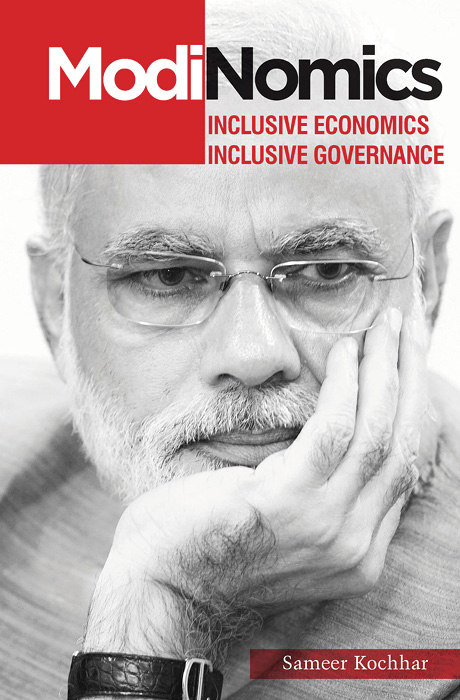
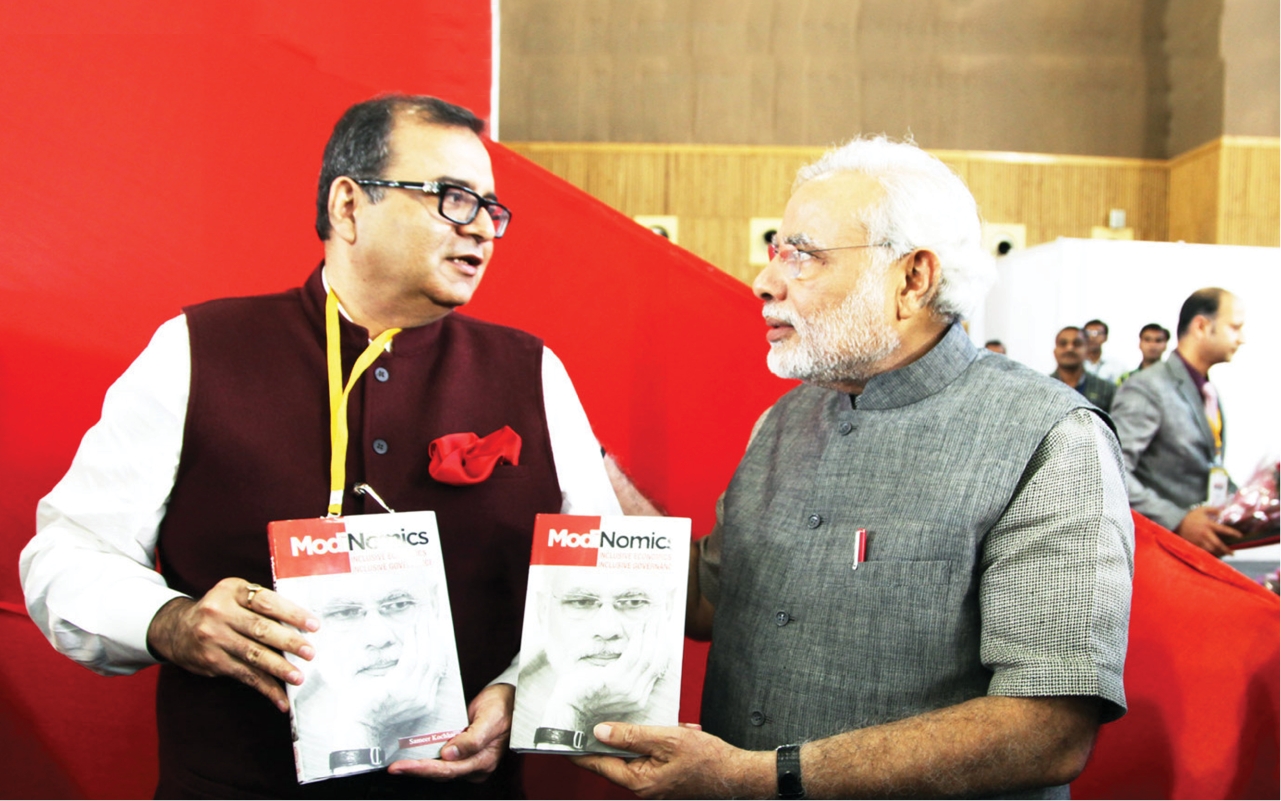
ModiNomics: Inclusive Economics Inclusive Governance
The last decade of Gujarat and the rise of Narendra Modi first as the Chief Minister and then as a national leader being the Prime Ministerial candidate of the Bharatiya Janata Party (BJP) has catapulted the Gujarat model and Narendra Modi into the national and international limelight. In the interim, especially in the last few years, there has been much literature on Gujarat and Narendra Modi. However, much of it is presented from a personality or political perspective.
In the run-up to the national elections around May 2014, public interest goes beyond politics and personality. There is interest on some of the pioneering work done in Gujarat around governance and Panchayati Raj. The nation wants to know how Narendra Modi and his team of bureaucrats have been able to make a difference. There is curiosity about the interplay between politics, economy and policy. Crucially, the world wants to know if the Gujarat model is scalable to the national level.
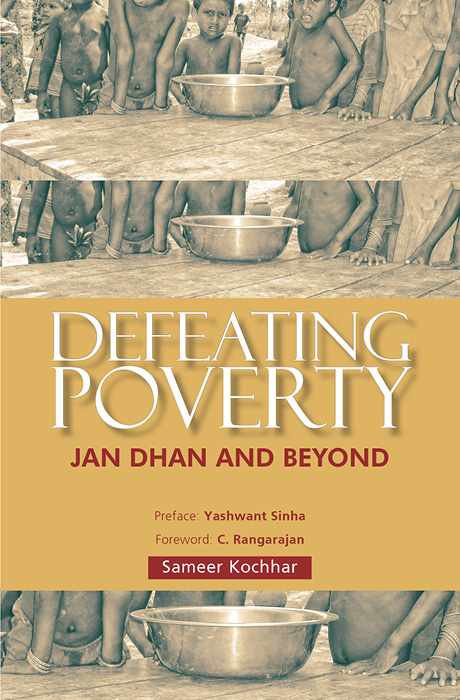
Defeating Poverty: Jan Dhan and Beyond
It examines why so many years after Independence, India still has a large number of poor and points towards vote-bank politics as a key culprit in choosing poor policy options that could never deliver optimally.
Poverty alleviation measures adopted by Narendra Modi during his tenure as Chief Minister of Gujarat, were a greater success compared to other states. The book identifies the key success factors for financial inclusion – a credit and livelihood-based approach as well as a gendered view of inclusion; sustainable development; skill development; financial literacy; push for MSMEs; employment and focus on hygiene and health. Thus, making the Modi model, called ModiNomics, as one of the proven approaches that can take financial inclusion to its logical conclusion. The model comes close to the author’s academic work, understanding of ModiNomics and years of research that has a great potential for its replication nationally.
Given that the end objective of financial inclusion is poverty alleviation, at Skoch Group, we have been unyielding in our advocacy of equitable growth with the three critical elements attached to it: financial, social and digital inclusion. The book proposes a model for bringing all these elements together and also suggests ways for the Pradhan Mantri Jan Dhan Yojana to be financially viable, self-sustaining and emerge as India’s main weapon for defeating poverty.
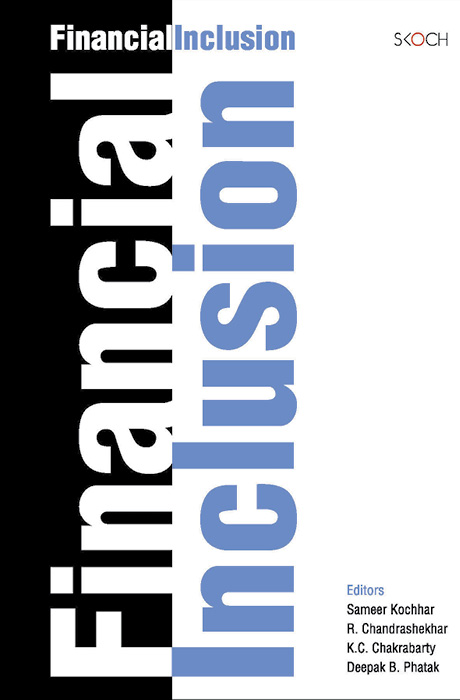
Financial Inclusion
This compilation is the result of action research and field visits across India spread over last 10-years that have been punctuated with seminars and workshops providing multi-stakeholder consultations. These were conducted by Skoch Consultancy Services with recently added support from Skoch Development Foundation. The compilation focuses on various facets of financial inclusion ranging from opening up of no-frills accounts to micro-credit to financial literacy, while emphasising the role of process changes, technology enablement, capacity building and outreach mechanism. It looks at examples of local bodies, post offices and tele-centres having been used effectively. It also proposes a model of inclusive development, emphasising that inclusive economics leads to inclusive governance and vice-versa. The book provides a holistic view based on practitioners’ perspective and grassroots learning. A must read for all involved in inclusive development of India.
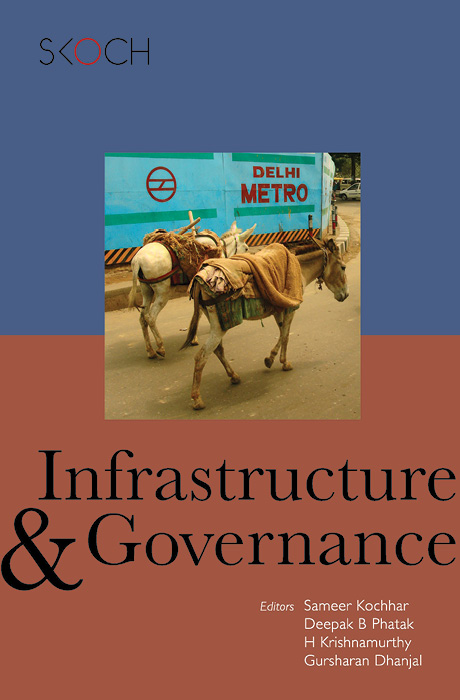
Financial Inclusion
This compilation has emerged from a recent National Consultation on Infrastructure and Governance called India @ Work Summit, organised by Skoch Consultancy Services, providing critical insights into the subject of infrastructure and governance, all pointing to a common goal of inclusive growth. The book opens with a chapter entitled: Participatory Democracy, Infrastructure and Empowerment. Offering the concerned reader the collective wisdom of eminent policy makers and distinguished experts, the content in this volume is organised under seven sections.
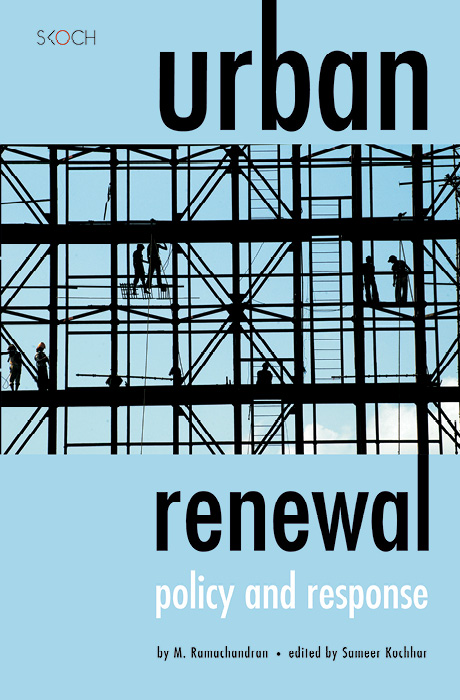
Urban Renewal Policy and Response
The Indian Government took the historic step of launching the Jawaharlal Nehru National Urban Renewal Mission (JNNURM) in December 2005 with a view to give fillip to urban infrastructure development in 65 major cities by mobilising Rs.50,000 crore from the Central budget and by getting a matching Rs.50,000 crore from the State governments and the Urban Local Bodies (ULBs). The response to JNNURM has been very good. As a consequence, projects costing Rs.95,385 crore have already been sanctioned and are under various stages of implementation. This book reveals the nuances and thinking behind the JNNURM, its implementation and status on the ground and suggests the way forward. The current urban reform process undoubtedly offers tremendous opportunities to rethink economic and development priorities. This book is timely given the re-affirmed commitment of the government to urban development. It is an essential read for all interested in policy, planning, urban develop-ment and renewal issues.
Bringing Felt-Needs to Policy
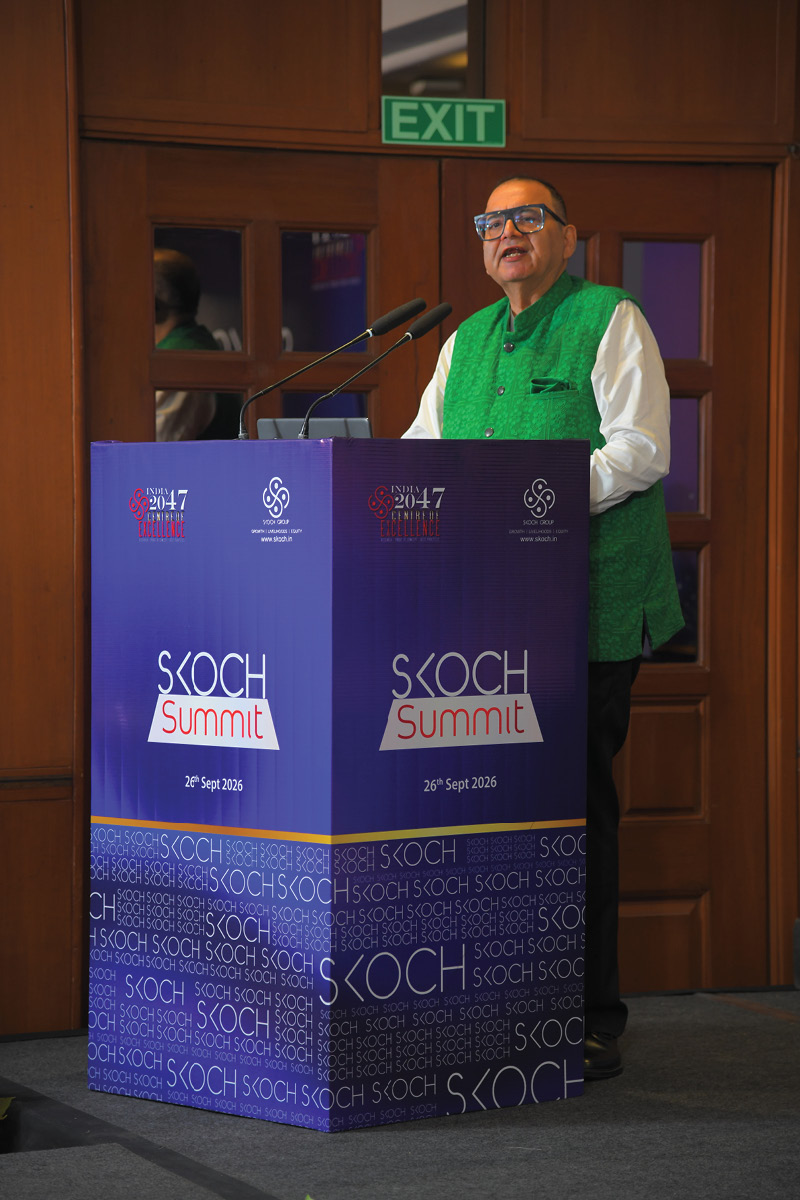
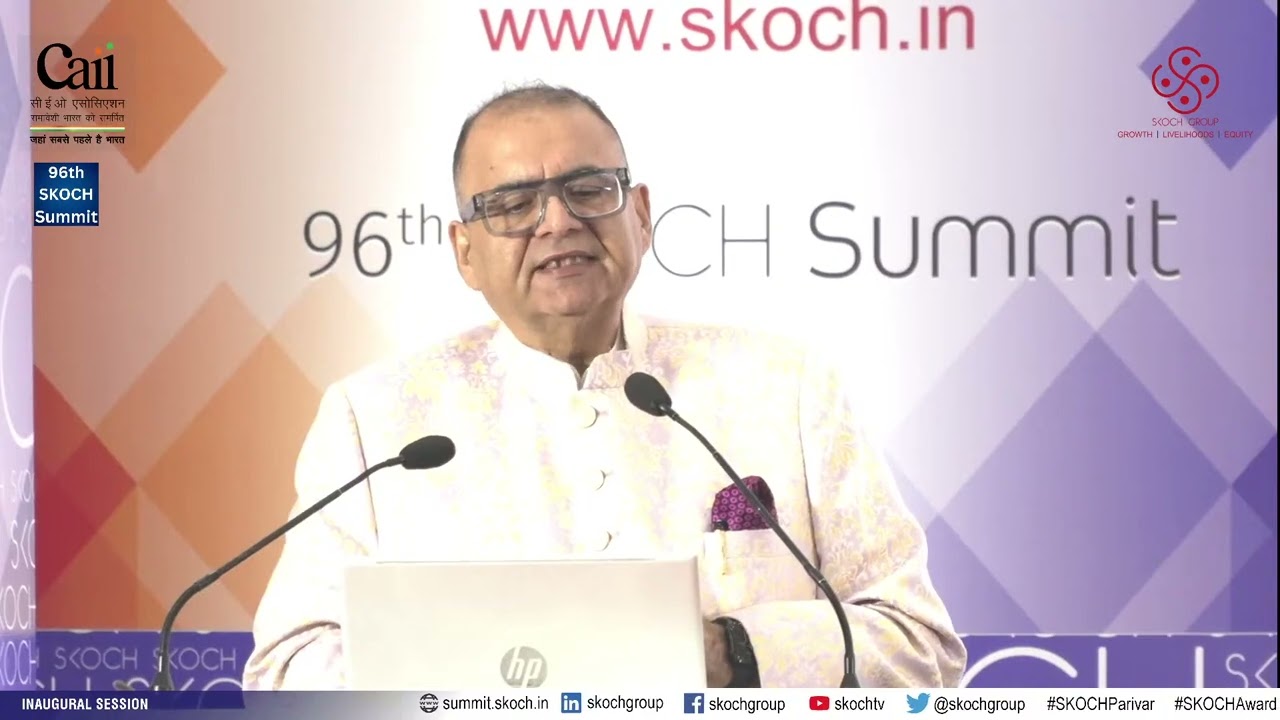
Sameer Kochhar has spent decades producing on-ground research and data that shapes the future of India.

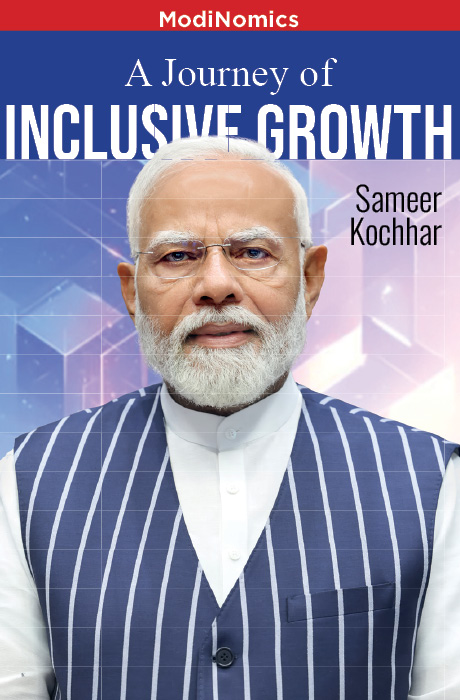
How did Prime Minister Modi Deliver Inclusive Growth?
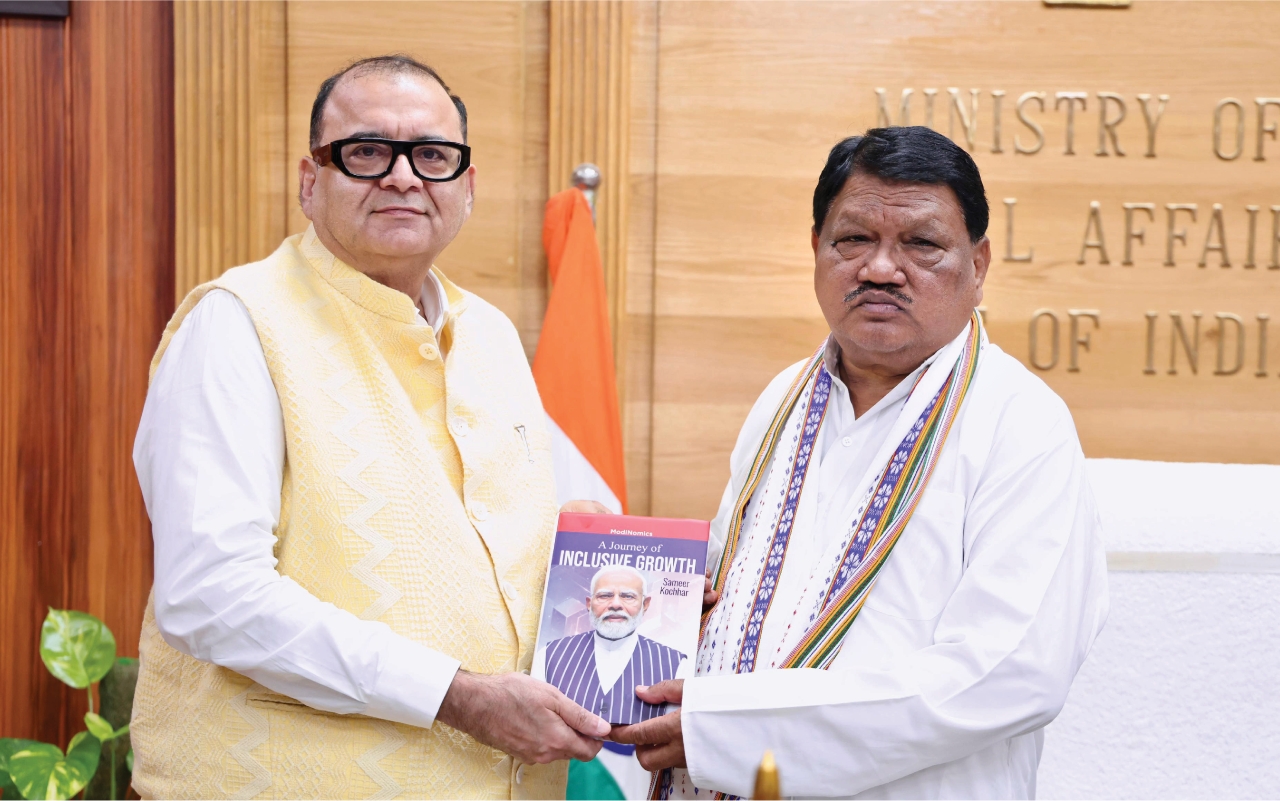
ModiNomics
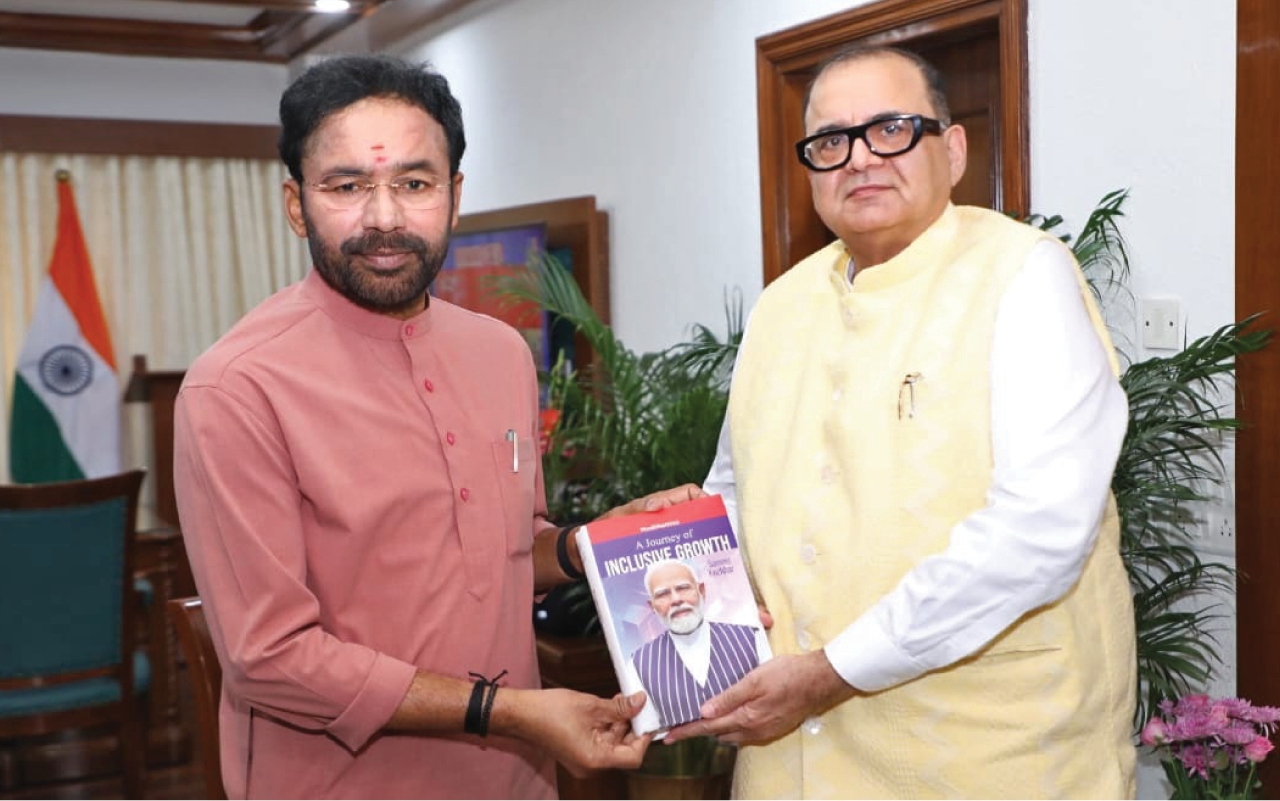
A Journey of Inclusive Growth
Marking 25 years of Prime Minister Narendra Modi in public offce, ModiNomics — A Journey of Inclusive Growth offers a definitive account of his governance and economic philosophy. From Jan Dhan to Ujjwala, Swachh Bharat to Digital India, it explores how millions were brought into the mainstream of development with speed and scale.
Buy Now!